
Wild Creative Practice: Art Making With The Seasons
and using nature as a calendar

Every morning for the last week, around 8am, a Northern Flicker woodpecker has rapped on the metal flashing of the chimney calling for a mate. This can mean only one thing: Spring is on its way! Hurrah!
This also means my personal New Year is approaching. Indeed, I could say it’s already arrived, since I’m full of ideas and plans and Wild Creative imaginations.
For the last fifteen years or so, I’ve been using a seasonal framework for artmaking that I call Wild Creative Practice. It’s not a complicated, over-intellectualised approach to making art, nor does it require special apps or spreadsheets, I literally follow the seasons and allow nature to guide my practice.
A Wild Creative Year goes something like this:
🌱Spring
a breath out
This is unofficially the start of my ‘new’ year.
Spring is a time of throwing idea seeds around and observing what grows. At this time of year I usually have a few possible concepts I’m noodling over and I spend this season researching, making sketches, and shaping those concepts into something more defined.
I explore, visit museums and galleries, and look at what other artists are creating in response to similar themes. I think about where my practice sits historically and how I want to place myself in that canon of art history. I seek out books and research papers on the ideas I’m investigating and fill notebook after notebook with jottings and quotes and words that might become artwork titles.
If I’m considering collaborative work, Spring is the time I reach out to fellow artists to gauge interest. Sometimes I start a collective or build community around an idea as a way of keeping me accountable.
I think about different documentation methods and open new social media accounts or blogs if necessary. I try not to fall back on what I’ve already done and stay open to new methods of recording artistic practice.
This is an exciting season of new possibilities! I love this phase. I can easily get stuck in research mode if I’m not careful and I look to nature to give me a nudge to move the project along.
The goal is that by end of Spring (around end May but there’s no specific date), I know exactly what the concept of the year’s project is, what subject matter I want to use, how I want to create the work, and how I want to document it.
🌻Summer
a breath in
Summer is a growing season. This is the season when I create most of my art work.
Having done all my prep and research work in Spring, I’m ready to make art and it usually flows easily and quickly throughout Summer.
This is a season when I stop looking at what other artists are doing, take a breath in, and isolate myself while I create my art. If I don’t do this, I start to second guess what I’m creating and find myself going off track.
I enjoy long days of making in Summer. I use the extra sunlight and the warmth to fuel my creativity. It’s a beautiful, productive season.
The goal is that by end of Summer (around early September) I finish my project. How many works equal a project? That varies. I’m mindful that the planet is already awash with artworks, many of which will end up in landfill, so I’d rather create just five paintings that are ‘meaningful’ than a dozen or so that repeat the same themes. But the balance between the human desire to create and the planet’s capacity to hold more stuff is something I personally struggle with, do you?
🍂Autumn
a breath out
Autumn is a season of harvesting and sharing. This is the season when I show and (sometimes) sell my work.1
Early Autumn is usually spent making art ready for show or sale: framing, labelling, photographing—all the boring chores artists hate! Mid-late Autumn is when I exhibit my work, open my studio, put works on my website for sale, and generally make an effort to share what I’ve created.
Autumn is a season of reaching out and bringing as many folks into my art practice as possible to enjoy the fruits of my wild creativity. I gift work, trade work, and do my upmost to let the art flow out of the studio. Wild Creative Practice is all about flow.
The goal is that by end of Autumn I’ve exhibited my work either online or in-person and I’ve moved some of the work on to new owners.
❄️Winter
a breath in
Winter is the season of quiet in the studio. This is the season when I evaluate the year just passed, take classes if I need to fill in knowledge gaps, tidy the studio, and make plans for next Spring.
Winter is a contemplative season when I look at the bare framework of my practice and think about changes I might want to make. Do I need a new website? Do I need to move furniture around in my studio? What worked well last year? What didn’t work? Why didn’t it work? What do I need to learn in preparation for Spring?
The goal is that by end of Winter, I have the skills I need to move into Spring and my practice is structured in such a way that I can move into my research phase with ease.
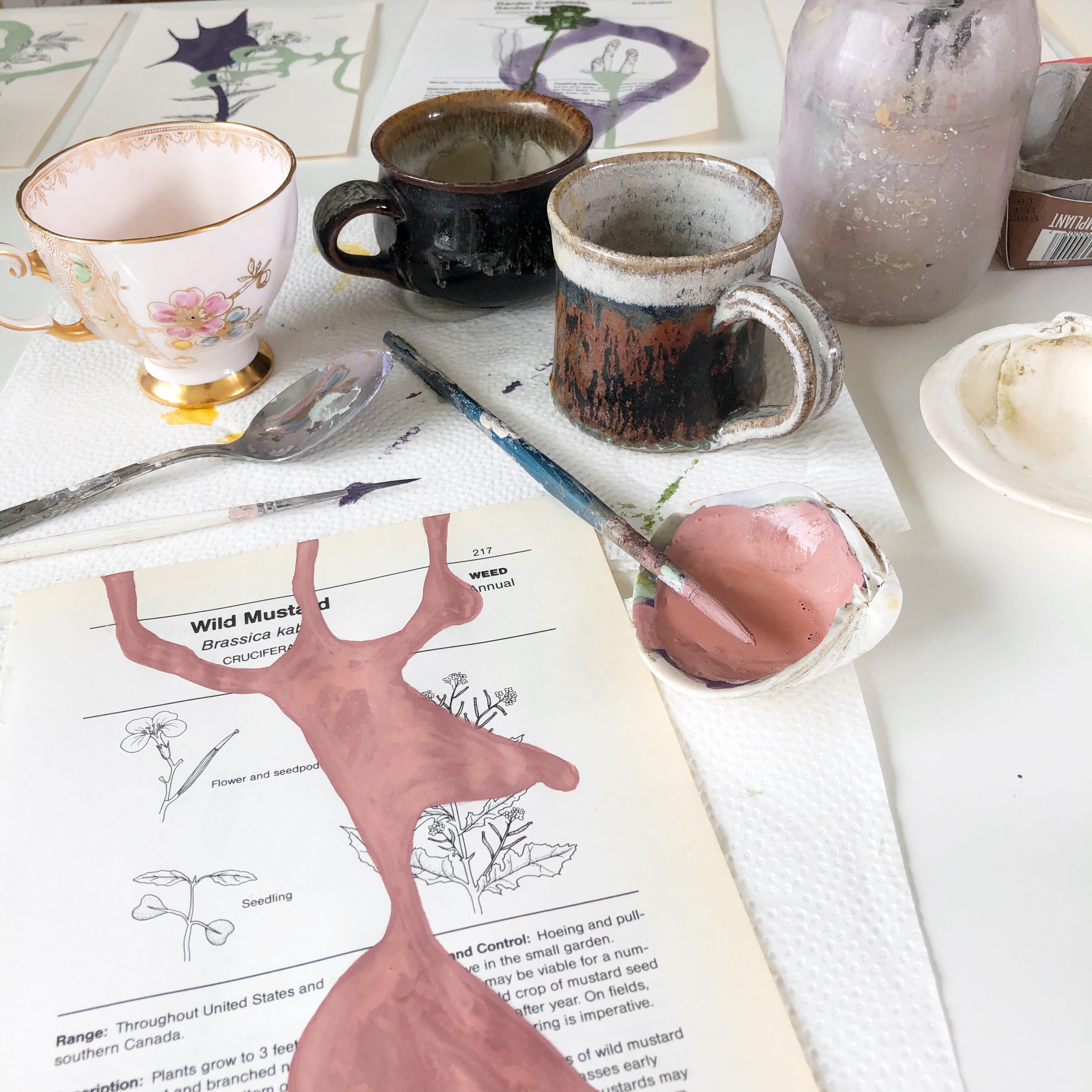
Wild Creative Practice is all about economy of production and putting the breaks on art churn.
Wild Creative Practice is about slowing down, connecting with nature, and finding a rhythm of making that respects both the artist’s energies and the Earth’s resources.
Wild Creative Practice is inherently anti-capitalist.
But it’s not for everyone. It works with my energies which fluctuate wildly according to the seasons, but I’d never say it suits all artists to work this way. You do you, I’m just doing me. However, I will be writing more about Wild Creative Practice this year in a new column sitting under Private View, so if seasonal creativity appeals to you, stay tuned, as I’ll be sharing some of the Wild Creative tools I’ve designed over the years.
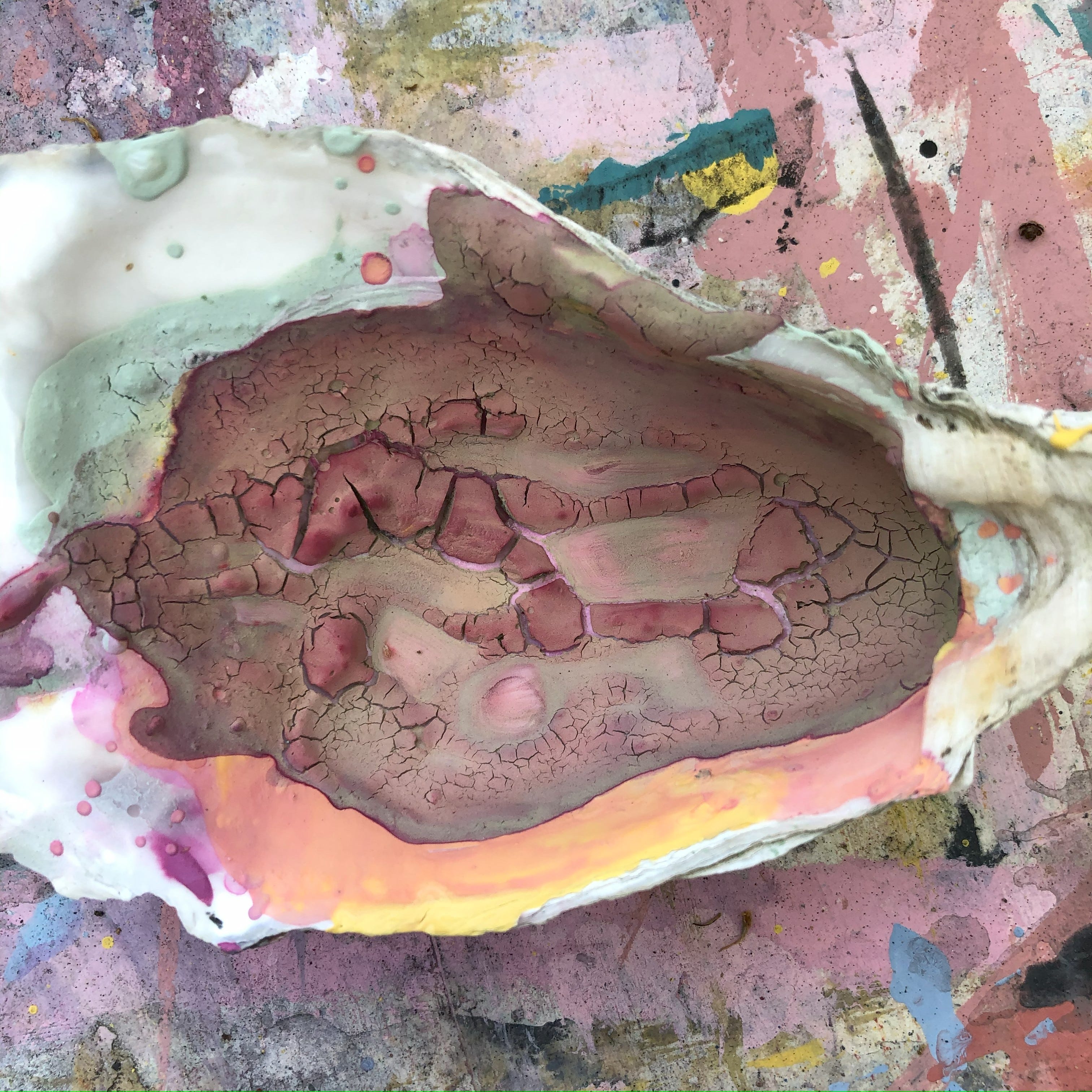
We’re at Winter’s end here in the Northern Hemisphere and I’m ready to leap into another Wild Creative Year. There will be changes this year. There have to be changes. With so much turmoil in the world, I’m moving deeper into earth practices and seeking strength, solace and nourishment from the land. I’m leaning on Wild Creative Practice to guide me through these tumultuous times.
Here’s hoping you have your own frameworks that support and guide you. Reach out if you need help.
In love and solidarity
J x
Question for the comments box: How does nature inform or influence your creative rhythm?
Since I’m now 100% outside of the industrialised art complex, I’m not making art specifically for sale, nor am I seeking gallery shows, which means my definition of Autumn is partly redundant. I’ll be writing more about this in future newsletters. I haven’t yet figured out what I want to do with the art once I’ve made it :)
Love this! Georgia O’Keefe had a similar seasonality to her art practice. Cal Newport writes about it in “Slow Productivity.”
Have you written about why you're no longer interested in selling or showing in galleries? And do you have other ideas for Autumn?